Justice for Women in Conflict-Affected Areas
Myanmar
Myanmar’s fight for democracy through a gender lens
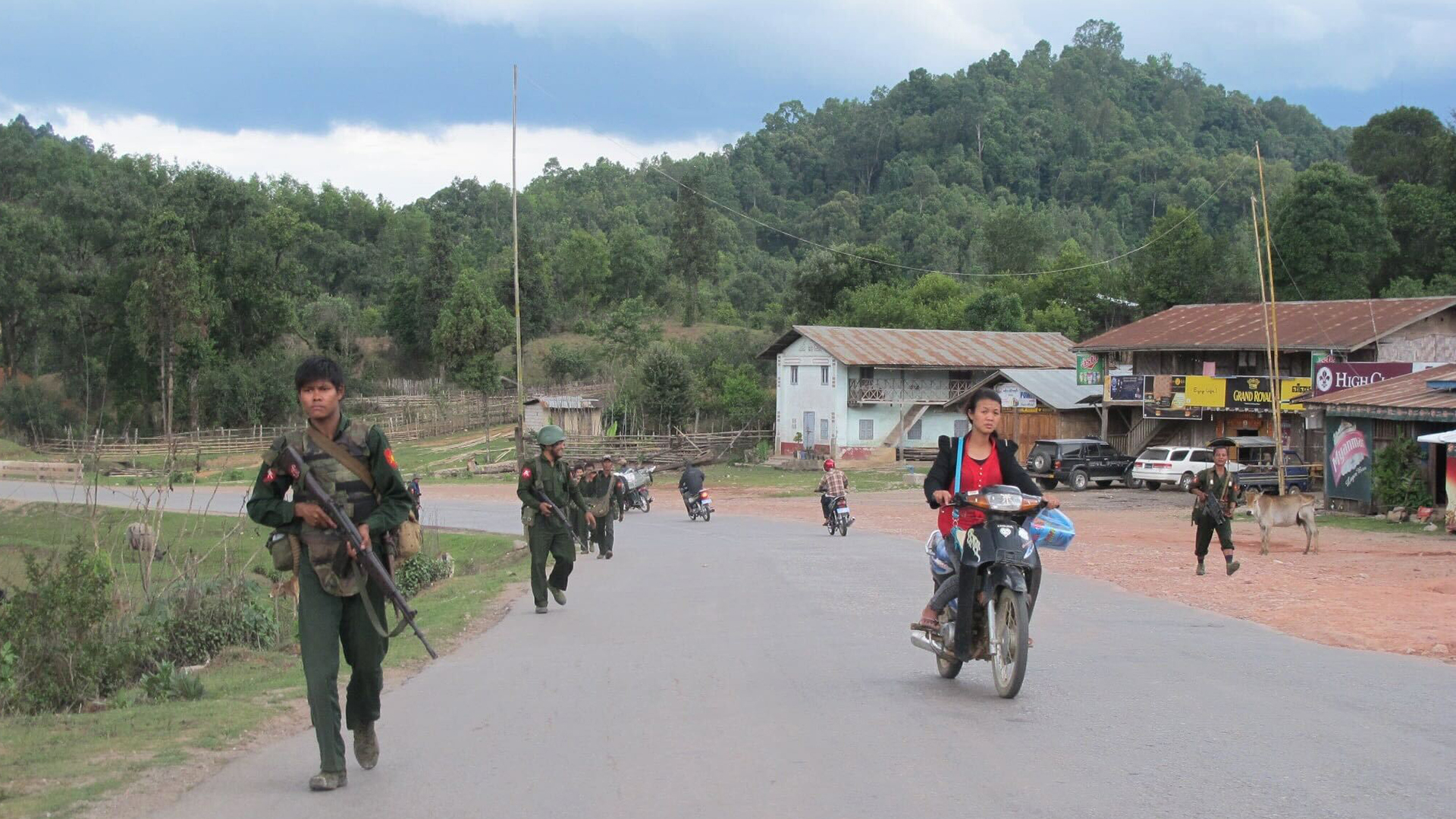
Myanmar’s fight to return to democracy is arduous and fraught with obstacles and setbacks, particularly for women and girls facing escalating gender-based violence since the coup in 2021. The study, Justice for Women in Conflict-Affected Areas in Myanmar, by the Friedrich Naumann Foundation for Freedom (FNF) documents these challenges.
Conducted from September 2024 to March 2025, the study gathered first-hand accounts from 20 women across Sagaing, Kachin, Kayah, and Northern Shan States, including women soldiers in resistance groups. It revealed pervasive sexual and gender-based violence (SGBV) by both military and resistant groups, often silenced by threats from powerful perpetrators. “Most cases go unreported. Survivors are threatened by perpetrators, who have money and power,” one interviewee shared. Another mentioned that “sexual harassment occurred inside and outside battalions. Some high-ranking perpetrators faced no consequences, and women usually are not involved in decision-making levels.”
“Myanmar’s democracy fight is a revolution against injustice, not just resisting dictatorship but also patriarchal norms, deeply entrenched in society.”
– Nyein Chan May –
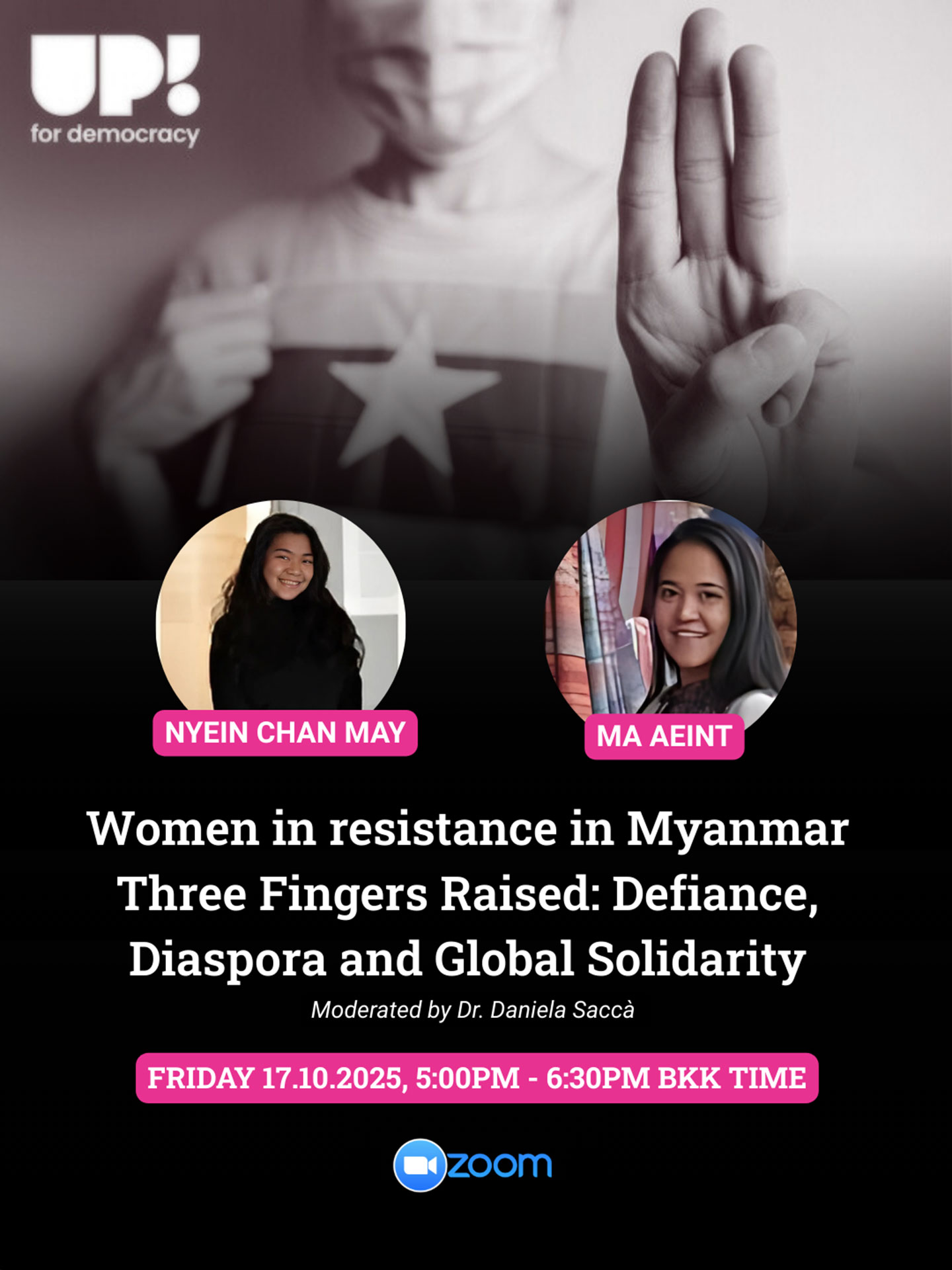
FNF published the study in April 2025 and revisited the issue in an online discussion on October 17 with two women activists, moderated by Dr. Daniela Sacca from FNF Asia Desk and opened by Dr. Salim Amin from the FNF Global Themes Division. “Myanmar’s democracy fight is a revolution against injustice, not just resisting dictatorship but also patriarchal norms, deeply entrenched in society,” panelist Nyein Chan May argued.
“Women are enlisted to serve in combat compelled by the circumstances perpetuated by the coup but remain unprotected when abused,” Ma Aeint added, another panelist, who is based near the Thai-Myanmar border. The discussion concluded that achieving women’s rights will be a long-term struggle, even after political victory. “When perpetrators act with impunity, others follow. Ignoring these violations threatens the global fight for freedom, human rights, and democratic values”, Dr. Salim Amin cautioned.
Globally, women’s rights face setbacks. The UN’s latest report, Women’s Rights in Review: 30 Years After Beijing, demonstrates that the number of women and girls living in conflict increased by 50% over the past decade. Myanmar’s crisis highlights the need for alternative governance institutions as well as accountability mechanisms, such as community-based reporting systems and international support for local women's rights defenders and organizations to combat SGBV. Protecting women and girls in conflict is not a local issue but a global responsibility, essential for restoring democracy and freedom worldwide.
Ein Angebot der

Informationen
Service
Weitere Angebote
Rechte der Frauen